Autumn at Brick Bay
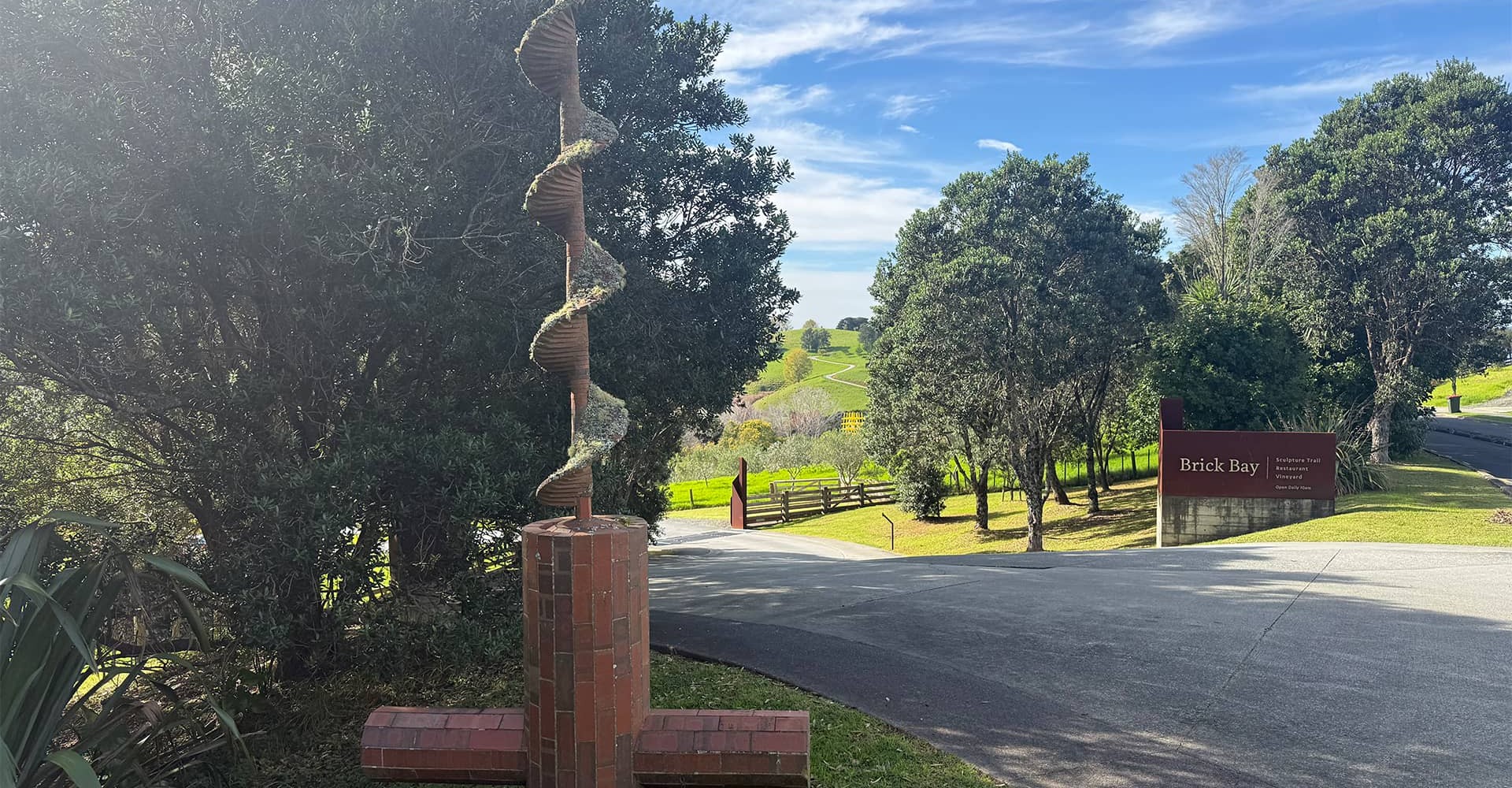
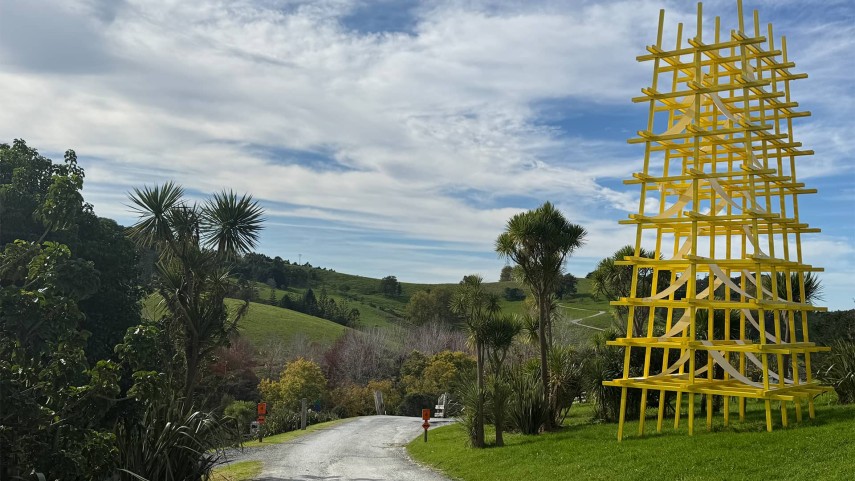
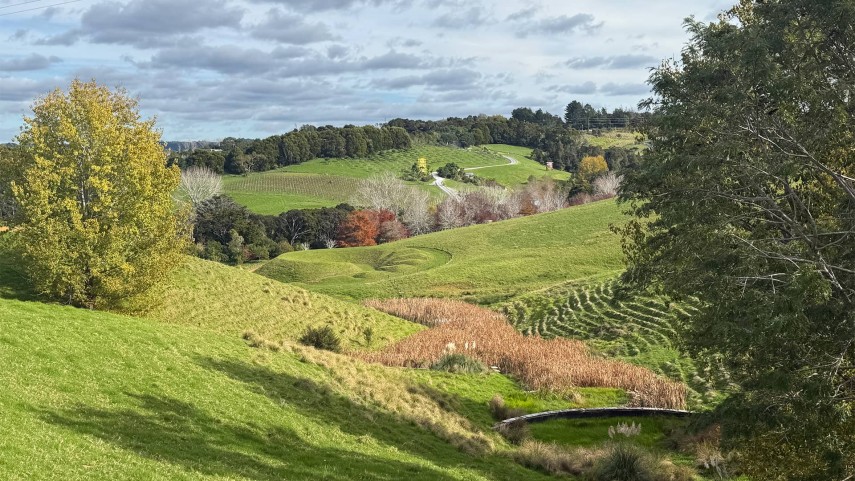
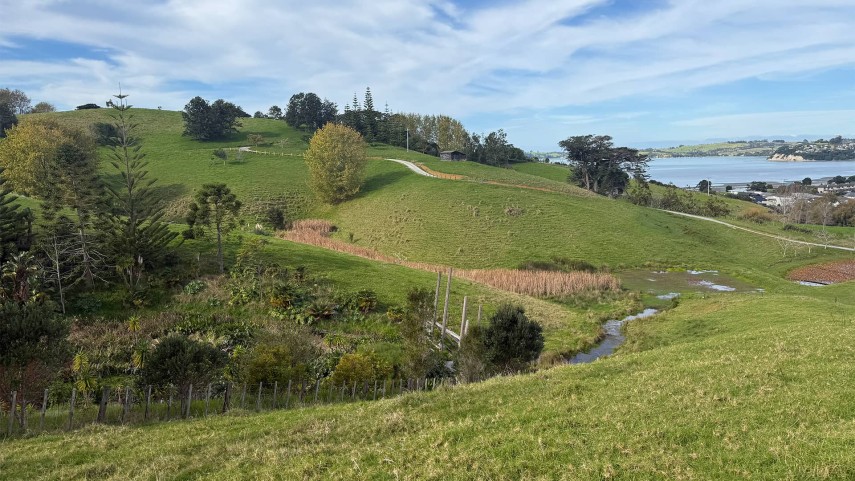
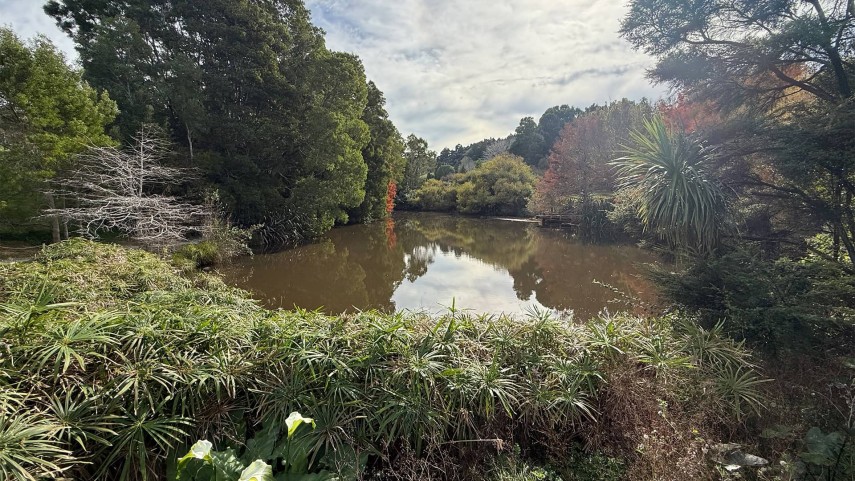
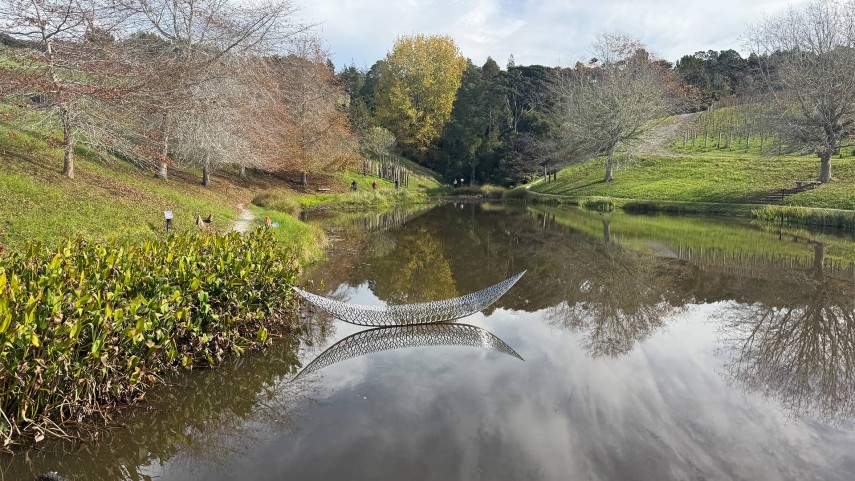
Autumn is an inspiring time to visit Brick Bay. After 3 decades of our involvement, the 150ha property continues to evolve as a popular art and wine destination and an outstanding working example of land stewardship and creative economy. As landscape architects working closely with the owners and on-site staff, we have played a number of roles laying out the roading, creating a series of ponds and wetlands in the valleys to framework of planting for native biodiversity, seasonal colour and productivity.
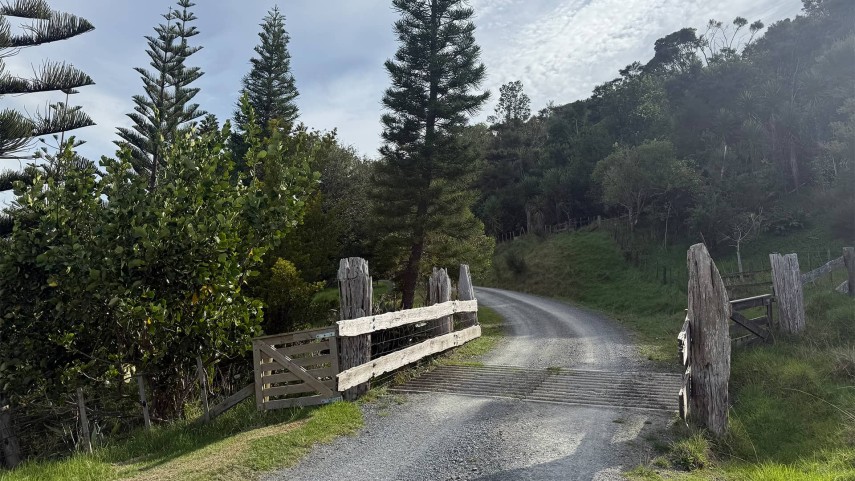
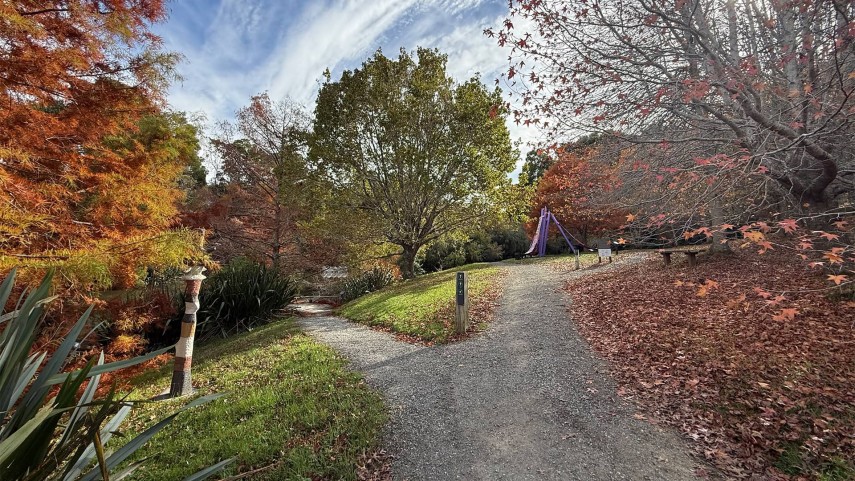
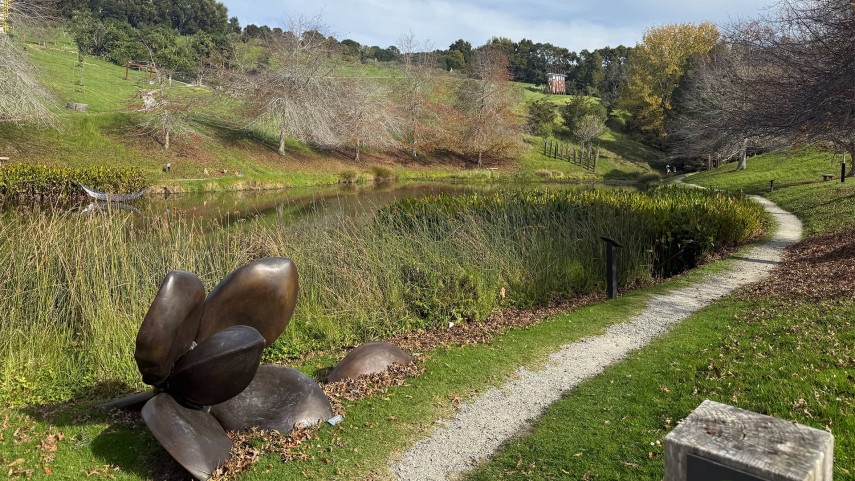
The design here is not imposed; it is cultivated. Tracks and roading guide visitors gently through valleys and ridgelines, while a succession of ponds and wetlands anchor the terrain and support native biodiversity. Planting is layered with intent—seasonal colour alongside productive species, ecological restoration alongside visual delight. It’s a landscape that performs as much as it inspires.
One of the most compelling interventions is the “Lost World”. Once an eroding gully, it has been transformed into a dense, almost otherworldly grove of ancient araucaria species—including Bunya Pine, Monkey Puzzle, Norfolk Pine. Their sculptural forms create a sense of deep time, amplified by a timber structure that recalls the engineering of historic kauri dams. Above, a steep slope that was once kikuyu grass has been reimagined as regenerating native forest, turning degradation into renewal.
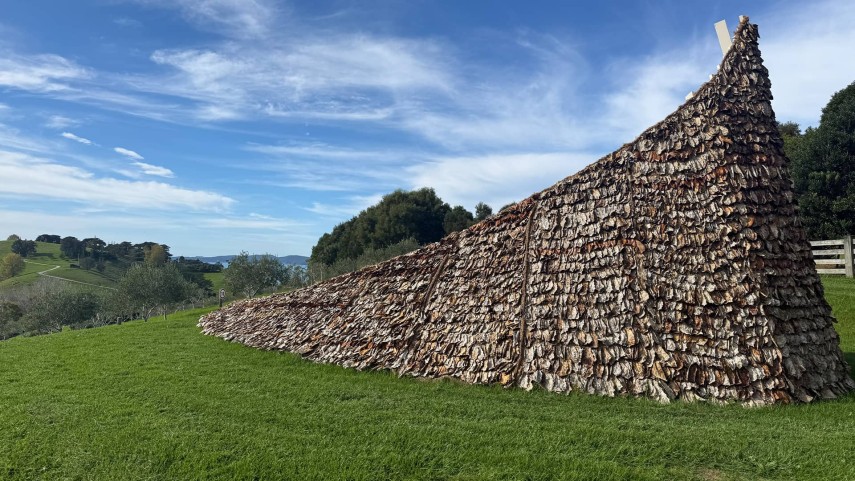
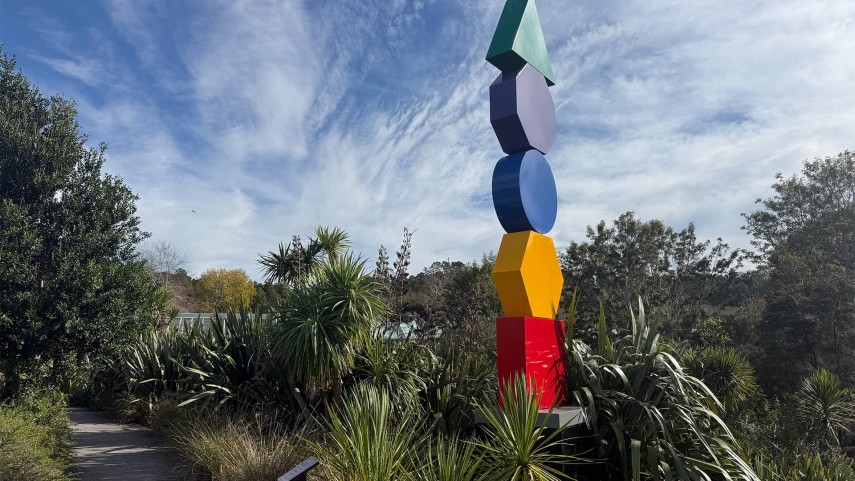
What makes Brick Bay remarkable is not any single gesture, but the coherence of many. Artworks are encountered not in isolation, but as part of a carefully orchestrated journey through changing environments. It’s an example of landscape architecture at its most ambitious: shaping experience, restoring ecology, and creating an economy around creativity. And it’s a continuing work in progress with still more to come, so stay tuned.